Shandong Qinshu
Introduction
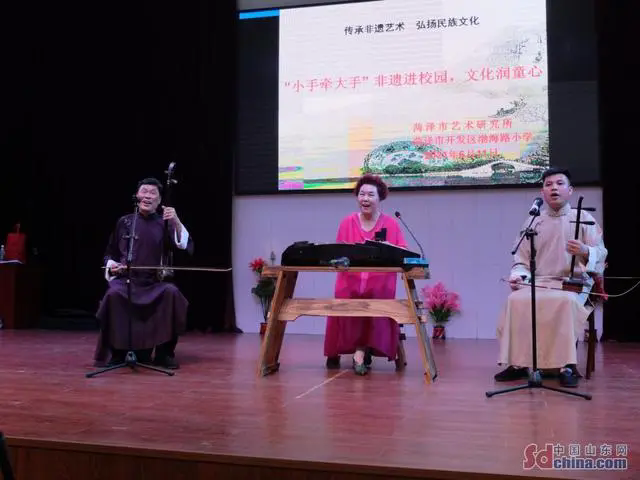
Shandong Qinshu is a traditional form of Chinese storytelling that combines narrative techniques with musical accompaniment, originating from Shandong province in eastern China. This art form is deeply rooted in the cultural traditions of the region and is recognized for its unique blend of spoken word and music to convey stories that are often rich in historical and cultural themes. It is an integral part of the regional culture, offering a glimpse into the heritage and social values of Shandong. The performance style of Shandong Qinshu involves the use of various musical instruments, particularly the erhu, to enhance the storytelling experience.
History
The history of Shandong Qinshu is intertwined with the broader history of Chinese storytelling and folk music. It developed as a means of entertainment and education, handing down stories from one generation to the next in the villages of Shandong. This storytelling tradition has evolved over centuries, influenced by the socio-political changes and cultural exchanges in the region. It reflects the lives and experiences of the people in Shandong, often drawing from historical events, myths, and legends. The preservation of Shandong Qinshu has been supported by local communities, who have kept the tradition alive through village-history museums and regular performances, ensuring that it remains a vibrant part of Shandong's cultural landscape.
Characteristics
Shandong Qinshu is characterized by its narrative-driven performances that combine spoken word with musical elements. The stories told through Qinshu often encapsulate moral lessons, historical tales, and folklore, with performers using expressive language and vocal techniques to engage the audience. The musical accompaniment, primarily featuring string instruments like the erhu, adds an emotional depth to the stories, enhancing the overall impact of the performance. Qinshu is also known for its regional dialect and the distinct rhythm and melody that define its musical style. The performances can vary in length and complexity, ranging from short anecdotes to elaborate narratives.
Musical Instruments
The musical aspect of Shandong Qinshu is integral to its storytelling. The erhu, a traditional Chinese two-stringed instrument, plays a central role in the musical accompaniment. Its soulful and expressive sound complements the narrative, helping to convey the emotional undertones of the stories. Other instruments that may be used include the pipa, a plucked string instrument, and various percussion instruments that provide rhythm and enhance the dynamism of the performance. The choice of instruments and the style of music can vary, reflecting the particular story being told and the personal style of the performer.
Performance Styles
Singing
Singing in Shandong Qinshu is a unique blend of storytelling and musical expression. Performers use their voices to bring characters and narratives to life, employing a range of vocal techniques to add depth and emotion to the stories. The singing is often interspersed with spoken word, creating a dynamic interplay between narration and song. This combination allows the performer to maintain the audience's attention while conveying the story's plot and themes effectively.
Narrative Techniques
The narrative techniques used in Shandong Qinshu are critical to its effectiveness as a storytelling medium. Performers employ a variety of storytelling methods, including direct narration, dialogue, and descriptive passages, to build engaging narratives. The use of regional dialects and idiomatic expressions adds authenticity and cultural specificity to the stories. Performers often interact with the audience, encouraging participation and making the performance a shared experience. The narrative is typically structured to build suspense and emotional resonance, culminating in a satisfying resolution that often imparts a moral or lesson.
Cultural Significance
Shandong Qinshu holds significant cultural value as a traditional art form that encapsulates the essence of Shandong's cultural heritage. It serves as a medium for passing down historical knowledge, moral values, and cultural traditions. The performances are not only a form of entertainment but also a means of educating the community about their shared history and identity. Shandong Qinshu reflects the social values and collective memory of the region, making it an important cultural asset that fosters a sense of belonging and continuity.
It was recognized as a national-level intangible cultural heritage in 2006.
Preservation and Promotion
Efforts to preserve and promote Shandong Qinshu have been ongoing, with local communities playing a crucial role in its continuation. Village-history museums in Shenxian and other parts of Shandong have become key venues for showcasing Shandong Qinshu, offering performances and exhibitions that highlight its historical and cultural significance. These museums provide a platform for performers to reach new audiences and for visitors to engage with the tradition in an interactive way. Additionally, cultural events and festivals often feature Shandong Qinshu performances, helping to raise awareness and appreciation for this unique art form.
Influence and Legacy
The influence and legacy of Shandong Qinshu extend beyond its immediate cultural context, impacting other forms of storytelling and performance in China. Its unique blend of music and narrative has inspired other regional storytelling traditions and contributed to the broader landscape of Chinese folk arts. The enduring popularity of Shandong Qinshu attests to its ability to adapt to changing cultural and social conditions while retaining its core characteristics. Its legacy continues to be felt in contemporary cultural practices and in the ongoing efforts to preserve China's rich artistic heritage.








